
Blog
The Invisible Risks of the First Responder Professions
Law enforcement is an incredibly demanding and stressful profession, often underestimated by laypersons. Police officers face numerous challenges that can take a significant toll on their physical and mental well-being. The stress begins with the unpredictability of the job – officers are constantly exposed to dangerous situations and must make split-second decisions that can have life-altering consequences.
The emotional burden of dealing with crime, violence, and trauma on a daily basis is immense. Officers witness distressing scenes, interact with victims and their families, and may be subject to personal risks. The strain from these experiences can accumulate over time and lead to mental health issues like anxiety, depression, and post-traumatic stress disorder.
Furthermore, the scrutiny and criticism that law enforcement faces from the public can exacerbate the stress. High-profile incidents, negative media coverage, and calls for reform put officers in a difficult position, impacting their job satisfaction and morale. The need to maintain a professional image while dealing with these external pressures adds to the overall stress.
Faust Psychological Services has decades of experience working with police/first responders, their families, and hiring entities. Our assessment protocol is current and relevant to modern policing, firefighting, and first responder issues, and we are sought out by those in the profession as well as numerous cities and other entities for both evaluation and intervention purposes. This can include fitness for duty evaluation, post-critical incident intervention, substance use evaluation and intervention, and assistance with maladaptive responses to the often-intense exposure to the unique stressors of these professions. Our goal is to ensure the mutual safety of the officer and that of the community being served.
In sum, first responders carry a heavy burden in their efforts to protect and serve their communities. Their work is not just physically demanding, but emotionally and mentally draining, making it essential for society to recognize and support their sacrifices while pushing for positive changes in the field to alleviate some of these pressures.
Police officers experience various types of stress due to the nature of their profession.
Some common stressors include:
- Danger and Physical Risk: Police officers face potential danger and physical risk on a daily basis, whether it's responding to emergency calls, handling violent situations, or confronting armed suspects. The constant exposure to such threats can lead to significant stress.
- Trauma and Critical Incidents: Police officers often witness traumatic events, accidents, and crime scenes. These experiences can have a long-lasting emotional impact, leading to stress, anxiety, and even post-traumatic stress disorder (PTSD).
- Workload and Shifts: Police officers often work long hours, irregular shifts, and weekends. The unpredictable work schedule can disrupt their personal lives and make it difficult to manage stress effectively.
- Public Scrutiny and Perception: Police officers often face public scrutiny and criticism, especially during times of high-profile incidents involving law enforcement. Negative perceptions from the public can add to their stress and affect their morale.
- Administrative and Bureaucratic Pressure: Police officers are required to handle administrative tasks, paperwork, and follow protocols. The pressure to meet performance metrics and maintain departmental standards can be stressful.
- Lack of Control: Police officers may often find themselves in situations where they have limited control over the outcome, particularly during high-stress incidents. This lack of control can lead to feelings of helplessness and frustration.
- Ethical Dilemmas: Officers may face ethical dilemmas in the line of duty, such as balancing individual rights with public safety. Making difficult decisions under pressure can be emotionally challenging.
- Interpersonal Challenges: Police officers deal with various individuals and communities, some of which may be hostile or uncooperative. Dealing with difficult or aggressive individuals can contribute to stress and emotional strain.
- Family and Personal Sacrifices: The demands of the job can impact officers' personal lives, leading to stress in their relationships with family and friends.
- Fear of Retaliation and Legal Consequences: Police officers may fear potential legal consequences or backlash for their actions, even when following protocols. This fear can add to their stress and anxiety.
It is important to recognize the impact of stress on police officers and provide them with adequate support, training, and resources to cope with the challenges they face in their profession. Addressing stress can help improve the well-being of officers and enhance their ability to serve and protect their communities effectively.
Facts about Post Traumatic Stress Disorder (PTSD):
PTSD is a debilitating mental health condition that occurs after experiencing or witnessing a traumatic event. It can affect anyone, from soldiers in combat, to first responders during normal, daily duty, to survivors of accidents, abuse, or natural disasters. Symptoms include anxiety, flashbacks, nightmares, intrusive thoughts, hyperarousal or “vigilance,” and avoidance of situations which have a high potential to trigger these symptoms.
PTSD also alters brain chemistry and disrupts the stress response system, which can lead to feeling “emotionally numb” and may present difficulties in forming and/or maintaining relationships.
Effective treatments include cognitive-behavioral therapy (CBT), exposure therapy, and eye movement desensitization and reprocessing (EMDR). Social support and understanding are crucial for recovery, and early intervention is highly essential in preventing long-term consequences of this distressing disorder.
Facts about Major Depressive Disorder:
Do you have persistent feelings of sadness or hopelessness? Do you often break into tears? Do your loved one’s express concern over your anger or frustration over what seem to be small matters? There is a chance that you are experiencing a major depressive disorder, or what we used to call “clinical depression or “a nervous breakdown.”
Major depressive disorder, commonly known as depression, includes pervasive depressed mood, and feeling fatigued or tired most of the day, nearly every day. Another distinguishing feature of depression is diminished interest in activities which were once pleasurable (e.g., have you lost interest in spending time with friends or hobbies like you used to? Or does sex seem less pleasurable or less interesting to you than before?). Many individuals diagnosed with depression identify the desire to want to be in bed and sleep all day while some say that they can’t sleep at all or sleep too little. Reduced capacity for concentrating and attending, significant weight loss or weight gain, inappropriate guilt, such that these interfere with one’s everyday functioning, can all be signs of depression. In severe cases, individuals may even question, ‘is this life even worth living?’ and report suicidal thoughts, feelings, or gestures of self-harm. If these symptoms resonate with you, reach out to a mental professional or your family physician immediately and request a screening for a possible mood disorder like depression.

How does depression affect first responders?
- posted: Oct. 28, 2024
Depression significantly impacts first responders due to the unique and intense stressors they face daily. Police officers, firefighters, paramedics, and other emergency personnel often encounter traumatic events, which over time Read More

What is depression? How is it diagnosed and treated?
- posted: Oct. 22, 2024
**Depression** is a common mental health disorder characterized by persistent feelings of sadness, hopelessness, and a lack of interest in activities once enjoyed. It affects how a person thinks, feels, Read More
OCD symptoms and treatments
- posted: Oct. 15, 2024
Obsessive-Compulsive Disorder (OCD) is characterized by persistent, unwanted thoughts (obsessions) and repetitive behaviors (compulsions) that individuals feel driven to perform. Common obsessions include fears of contamination, harm, or disturbing thoughts, Read More
OCD Awareness Week is October 13th-19th
- posted: Oct. 09, 2024
**Obsessive-Compulsive Disorder (OCD)** is a mental health condition characterized by recurring, unwanted thoughts (obsessions) and repetitive behaviors (compulsions). People with OCD often feel driven to perform these compulsive actions to Read More

Mental Health Awareness Week is October 6th-12th "Mental Health at Work"
- posted: Oct. 01, 2024
Mental Health Awareness Week is an annual event aimed at promoting understanding of mental health issues and reducing stigma. Held in the first week of October, it encourages open conversations Read More
Statistics of suicide in Northeast Ohio
- posted: Sep. 09, 2024
Suicide rates in Northeast Ohio reflect a troubling public health crisis, with statistics showing a steady increase over the past decade. According to data from the Ohio Department of Health, Read More
Suicide affects individuals and communities in many ways
- posted: Sep. 09, 2024
Suicide has profound and far-reaching effects on both individuals and communities. For individuals, the loss of a loved one to suicide often triggers intense feelings of grief, guilt, and confusion. Read More
Suicide Warning Signs
- posted: Sep. 09, 2024
Suicide warning signs can be subtle but often signal distress in individuals. Key indicators include talking about wanting to die, expressing hopelessness, or feeling trapped. A sudden withdrawal from social Read More

September is Suicide Prevention Month
- posted: Sep. 09, 2024
Suicide prevention is a critical public health issue that requires attention, empathy, and proactive strategies to save lives. Every year, millions of people worldwide struggle with mental health challenges that Read More
Critical incident mental health evaluations
- posted: Sep. 03, 2024
Critical incident mental health evaluations focus on assessing the psychological impact of significant or traumatic events on individuals or groups. These evaluations are crucial for understanding and addressing the emotional Read More
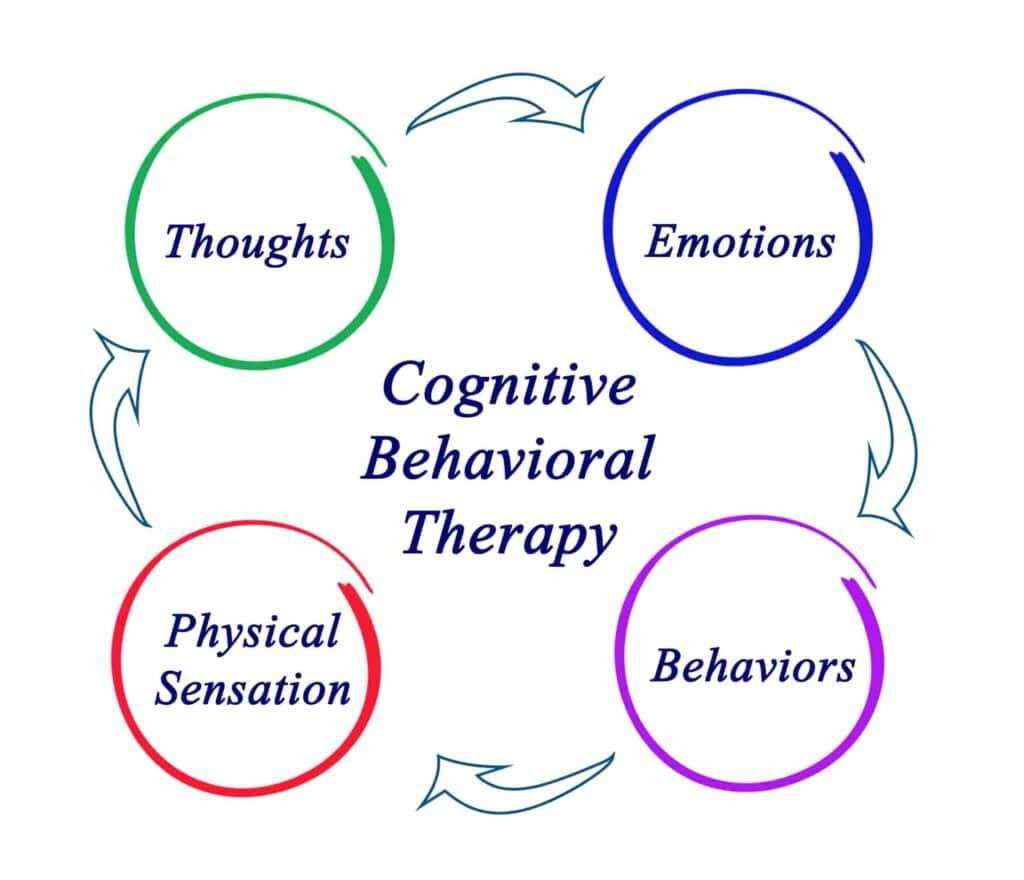
CBT techniques for trauma in first responders
- posted: Aug. 12, 2024
Cognitive Behavioral Therapy (CBT) is effective for addressing trauma in first responders by helping them manage distressing thoughts and emotions. Key techniques include:1. **Cognitive Restructuring**: Helps challenge and reframe negative Read More
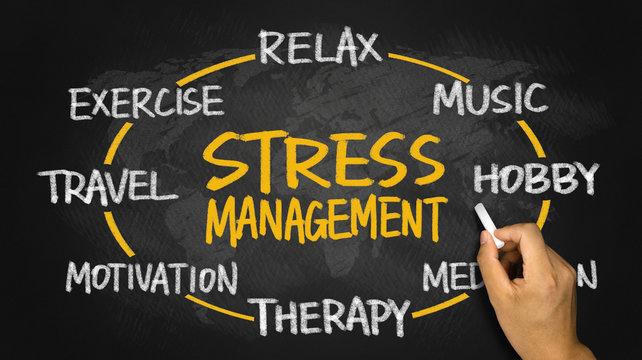
Stress management
- posted: Aug. 01, 2024
Effective stress management involves a combination of strategies to help individuals cope with and reduce stress. One fundamental approach is practicing mindfulness and meditation, which encourages focusing on the present Read More
Risk assessment evaluations
- posted: Jul. 30, 2024
Risk assessment evaluations in counseling are essential to ensure the safety and well-being of clients. These evaluations help counselors identify potential risks related to clients' mental health, behavior, and environment, Read More
First responder therapy
- posted: Jul. 29, 2024
First responder therapy is specialized mental health support designed for individuals working in emergency and high-stress environments, such as police officers, firefighters, paramedics, and emergency medical technicians. These professionals are Read More
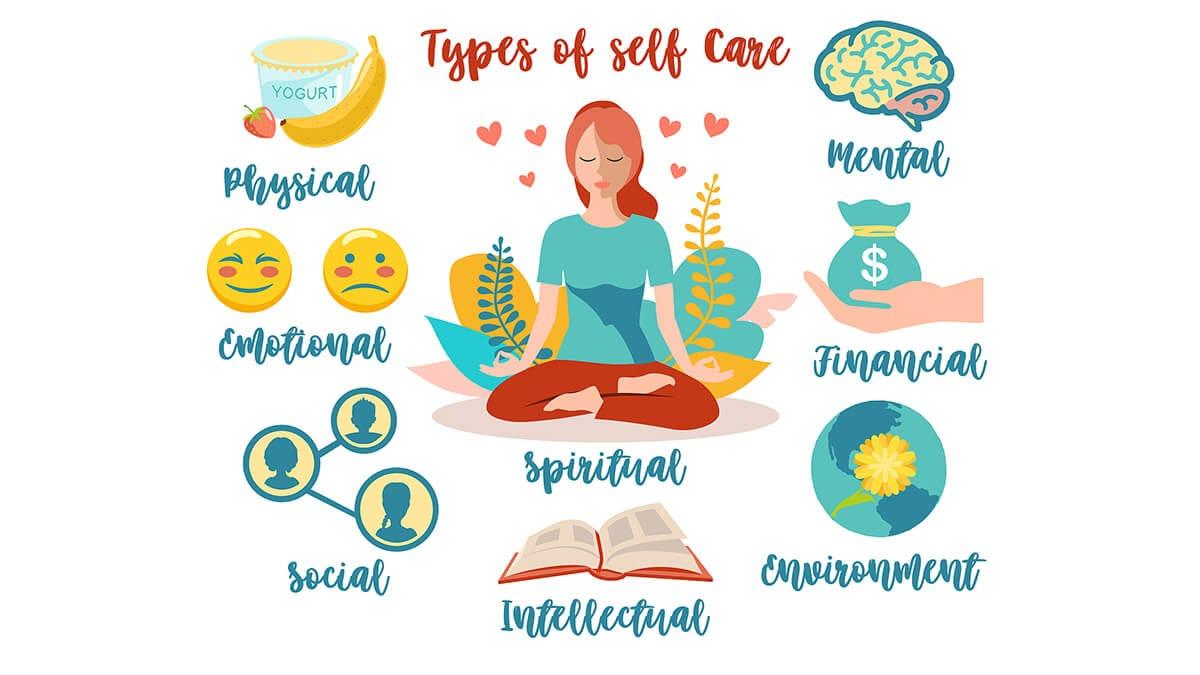
Self-care strategies
- posted: Jul. 26, 2024
Self-care is crucial for maintaining mental health. Regular exercise can reduce stress and improve mood through the release of endorphins. A balanced diet rich in fruits, vegetables, and whole grains Read More
Supporting the mental health of first responders
- posted: Jul. 24, 2024
Supporting the mental health of first responders is crucial due to the unique and demanding nature of their work. These professionals often face high-stress situations, trauma exposure, and long hours, Read More
Hours of Operation
Monday
7:00 am - 6:00 pm
Tuesday
7:00 am - 6:00 pm
Wednesday
7:00 am - 6:00 pm
Thursday
7:00 am - 6:00 pm
Friday
7:00 am - 6:00 pm
Saturday
7:00 am - 6:00 pm
Sunday
Closed